
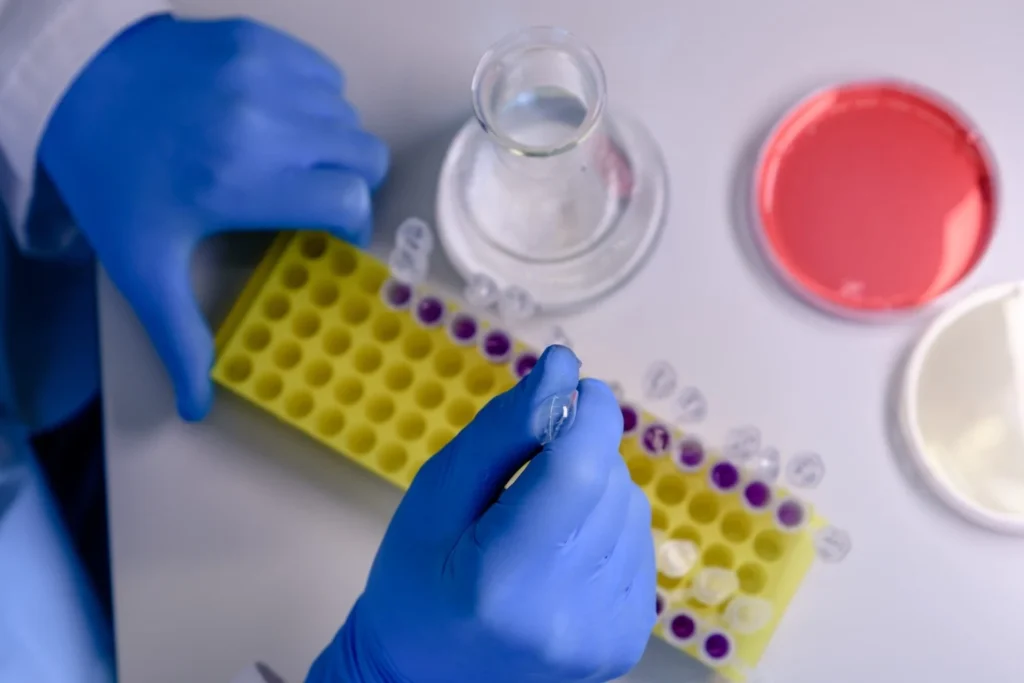
Consistent protein purification is essential when you compare experimental results, validate assays, or scale up laboratory workflows. Even small variations in bead quantity, sample preparation, incubation time, or washing conditions can affect protein recovery and purity. Standardizing magnetic bead-based purification helps you reduce experimental variability, improve reproducibility, and establish reliable protocols across multiple runs. By controlling critical parameters and documenting each step, you can make your purification process easier to validate, troubleshoot, and repeat.
Why Standardization Matters in Magnetic Bead Protein Purification
Magnetic bead purification offers practical advantages, including rapid separation, reduced sample handling, and compatibility with automated laboratory systems. However, these benefits depend on consistent execution. Changes in sample composition, bead binding capacity, buffer conditions, and mixing efficiency can produce different results even when you use the same target protein.
A standardized protocol establishes defined operating conditions for every experiment. It also helps you identify whether differences in protein yield originate from the biological sample, the purification process, or the analytical method.
For reliable Magnetic Beads Protein Purification, create a documented workflow that covers sample preparation, bead equilibration, target binding, washing, elution, and final quality assessment.
Define Your Experimental Objectives
Begin by identifying what you need to achieve. Your objective might be maximum protein recovery, high purity, selective antibody capture, or consistent performance across replicate samples.
Define measurable acceptance criteria before starting. Useful parameters include:
- Target protein recovery and concentration
- Purity based on SDS-PAGE or another validated analytical method
- Background protein contamination
- Replicate-to-replicate variability
- Processing time and sample throughput
Choose criteria appropriate to your application rather than applying one universal threshold to every protein. Establishing these targets gives you a consistent basis for evaluating protocol performance.
Standardize Sample Preparation
Sample preparation is a major source of variation in protein purification. Differences in sample volume, protein concentration, viscosity, debris content, and storage conditions can influence binding efficiency.
Use the same sample preparation procedure for every experiment. Define the lysis method, clarification conditions, buffer composition, and acceptable sample storage period. Where possible, measure the total protein concentration before purification and use comparable starting quantities.
Keep sample pH, ionic strength, and detergent concentration within validated limits for your affinity system. If samples come from different sources, evaluate their matrix effects before treating them as equivalent.
Record any deviations, including changes in sample appearance or concentration. These observations can help explain unexpected differences in recovery.
Establish Consistent Bead Handling Procedures
Magnetic beads must be handled consistently to maintain predictable performance. Before use, follow the manufacturer’s instructions for storage, resuspension, equilibration, and handling.
Define the bead volume or quantity used per sample, along with the starting protein load. Avoid estimating bead quantities by eye. Instead, use calibrated pipettes and a consistent mixing procedure to ensure that each sample receives the intended amount.
Resuspend beads thoroughly before dispensing, because settling can create differences in bead concentration between samples. Use the same mixing approach throughout the binding and washing steps.
Also document the bead product, lot number, storage conditions, and expiration or retest information when applicable. These records help you investigate performance changes between reagent lots.
Fix Binding Conditions and Incubation Time
Binding efficiency depends on several interacting variables, including pH, salt concentration, target concentration, bead quantity, temperature, and incubation time.
Establish a validated binding protocol for your specific target and affinity ligand. Keep the sample-to-bead ratio consistent and select an incubation period that supports sufficient target capture without unnecessary processing time.
Mix samples consistently to maintain bead contact with the target protein. Excessively weak mixing may reduce binding, while unsuitable agitation can cause foaming or interfere with sensitive proteins.
When developing a new protocol, change one variable at a time where practical. This approach helps you determine which conditions have the greatest effect on binding and recovery.
Standardize Washing and Elution
Washing removes nonspecifically bound proteins and other contaminants. Variations in wash volume, buffer composition, mixing, or the number of wash cycles can alter final purity and yield.
Specify the number of washes, buffer volume per wash, mixing duration, and magnetic separation time. Remove the supernatant consistently without disturbing the bead pellet or aspirating beads unintentionally.
For elution, define the buffer composition, pH where relevant, elution volume, contact time, and separation procedure. Choose conditions that release the target efficiently while preserving its required activity or structural integrity.
If your protein is sensitive to low pH, detergents, or ionic-strength changes, evaluate alternative elution conditions and assess whether immediate neutralization or buffer exchange is necessary.
Use Controls and Replicates to Verify Consistency
A standardized workflow should include controls that reveal changes in purification performance. Process technical replicates using the same starting material and conditions to measure procedural variability.
Include an appropriate negative control when needed to assess nonspecific binding. A reference sample or previously characterized preparation can also help you compare performance across different experimental days.
Measure protein concentration using a consistent assay and, where appropriate, assess purity through SDS-PAGE, immunoblotting, or another validated analytical technique.
Calculate recovery using the same definition for every run:
Protein recovery (%) = (Recovered target protein ÷ Initial target protein) × 100
Distinguish target protein from total protein when interpreting recovery. High total protein concentration does not necessarily indicate successful purification if contaminants contribute substantially to the measurement.
Document, Monitor, and Refine Your Protocol
Create a standard operating procedure (SOP) that specifies reagents, equipment, sample inputs, operating conditions, acceptance criteria, and corrective actions.
Use a batch record or electronic laboratory notebook to capture:
- Sample identification and starting protein concentration
- Bead type, quantity, and lot number
- Buffer formulations and preparation dates
- Binding, washing, and elution conditions
- Final protein concentration, recovery, and purity
- Deviations, observations, and corrective actions
Review results across multiple runs instead of relying on a single successful experiment. Trends in declining recovery, increasing contamination, or inconsistent replicate results may indicate changes in sample quality, reagent performance, or operator technique.
When troubleshooting, adjust one critical parameter at a time and record the outcome. Revalidate the SOP whenever a change could affect performance.
Select Suitable Magnetic Beads for Your Workflow
The affinity ligand, bead characteristics, and target protein all influence purification performance. Protein A and Protein G magnetic beads, for example, are commonly used to capture antibodies, but their suitability depends on antibody species, subclass, and binding characteristics.
Evaluate binding capacity, nonspecific interactions, separation efficiency, and compatibility with your sample and downstream application before selecting a bead system.
Review the available Magnetic Beads Protein Purification solutions to identify options that fit your experimental requirements. Select products based on documented specifications and application needs rather than assuming that all magnetic beads perform identically.
For laboratories processing multiple samples, also consider compatibility with magnetic separation racks, multichannel pipettes, and automated platforms. Consistent equipment and standardized handling instructions can further reduce operator-dependent variability.
Conclusion
Standardizing magnetic bead protein purification requires more than repeating the same sequence of steps. You need defined sample inputs, controlled bead handling, validated binding and elution conditions, measurable quality criteria, and complete experimental records.
By monitoring recovery and purity across replicates, you can identify sources of variation and make evidence-based adjustments. These practices support reproducible results, more efficient troubleshooting, and reliable comparisons between experiments.
Lytic Solutions, LLC provides molecular biology tools and affinity reagents for laboratory workflows.
If you need help identifying a suitable purification approach, Contact us today to discuss your experimental requirements.
Frequently Asked Questions
1. How can you standardize magnetic bead protein purification?
Use a documented SOP that defines sample preparation, bead quantity, buffer composition, binding time, washing, elution, and quality testing. Keep critical parameters consistent and record deviations across experiments.
2. Which factors affect magnetic bead purification reproducibility?
Sample composition, bead resuspension, bead-to-sample ratio, pH, salt concentration, mixing, incubation time, washing conditions, and elution efficiency can all influence reproducibility.
3. How do you determine the correct amount of magnetic beads?
Calculate bead requirements using the expected target protein load and the manufacturer’s documented binding capacity. Validate the selected quantity experimentally to confirm sufficient capture without unnecessary reagent use.
4. Why does protein recovery vary between experiments?
Recovery may change because of differences in starting material, bead handling, binding conditions, sample loss during separation, or incomplete elution. Compare batch records and analytical results to identify the cause.
5. How many washing steps should you use?
The appropriate number depends on the affinity system, sample complexity, and required purity. Evaluate wash number and composition experimentally while monitoring both contaminant removal and target protein loss.
6. How can you measure purification efficiency?
Measure the target protein recovered, compare it with the starting target quantity, and calculate percentage recovery. Assess purity separately using a suitable analytical method, such as SDS-PAGE.
7. Can magnetic bead purification be automated?
Yes. Many magnetic bead workflows can be adapted to automated platforms. Standardize liquid handling, mixing, magnetic separation, and timing, then validate performance on the intended instrument.
8. How do you maintain consistency between bead lots?
Record lot numbers, review product specifications, and compare new lots against an established reference protocol. Assess recovery, purity, and nonspecific binding before adopting a replacement lot.
9. Are Protein A and Protein G magnetic beads interchangeable?
Not always. Their antibody-binding preferences differ according to species and subclass. Confirm the affinity ligand’s suitability for your target antibody before selecting a purification protocol.
10. What should a magnetic bead purification SOP include?
Include required materials, sample inputs, bead quantities, buffer formulations, operating conditions, separation procedures, quality acceptance criteria, documentation requirements, and troubleshooting instructions.