
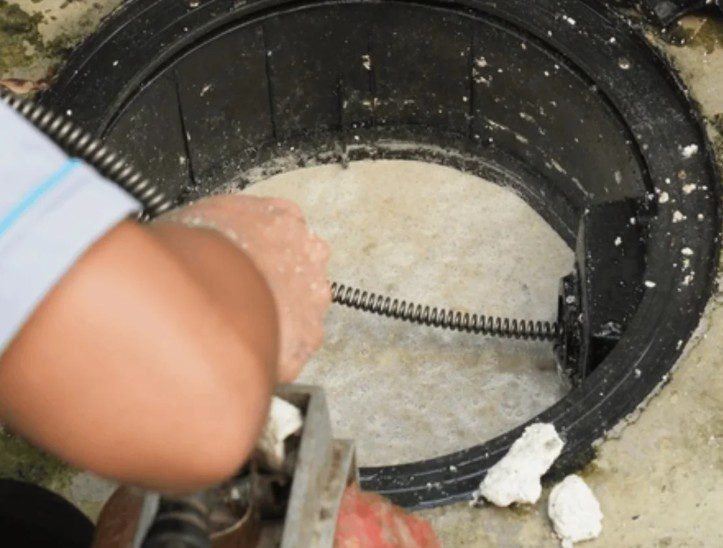
Every commercial kitchen has one. It is an unseen but vital part of your plumbing system. We are talking about the grease trap. A grease trap is a simple device. It catches fats, oils, and grease (FOG) before they travel into the city sewer lines. FOG is the problem. It cools and hardens inside pipes, much like concrete. This hardened FOG creates massive clogs called “fatbergs.” These clogs cause big headaches. They make water back up into your kitchen sinks. They also cause foul odors. Eventually, they can shut down your entire business.

Proper grease trap cleaning stops this disaster before it starts. It removes the built-up FOG waste and food particles. You can try to clean a small trap yourself. But it is messy, difficult, and often incomplete. Most businesses need professional help. This is where expert grease trap cleaning services become essential.
What Happens Inside a Grease Trap?
A grease trap works using basic science. FOG is lighter than water. When wastewater from your sinks and dishwashers enters the trap, it slows down. The water cools. The lighter FOG floats to the top. Heavier food solids sink to the bottom. The cleaner water in the middle is then allowed to exit into the sewer system.
The FOG and solids stay trapped inside. This is good for the city sewer. But it is bad for the trap itself over time. The trap has a limited capacity. As the FOG and solids build up, the trap becomes less efficient. Eventually, the grease layer gets too thick. The solid layer gets too high. Both layers stop the water from separating correctly. Then FOG starts escaping into your outgoing pipes. This leads to costly blockages downstream.
The general rule is the “25% rule.” If the grease and solids fill 25% of the trap’s volume, it needs to be cleaned immediately. Waiting longer risks serious problems. You face backup, bad smells, and huge fines from the health department.
The Importance of Regular Grease Trap Cleaning
Regular maintenance is not just a nice idea. It is a necessary expense. It saves you money in the long run. Think of it as insurance for your business.
Why Cleaning is So Important
-
You avoid expensive clogs. Clogged pipes mean you must pay for emergency plumbing repairs. These repairs cost much more than a scheduled cleaning.
-
You stay compliant with the law. Health departments and local municipalities have strict rules. You must maintain your grease trap properly. Failure to do so leads to heavy fines. It can even force a business closure. Professionals provide the paperwork you need for compliance checks.
-
You eliminate foul odors. Rotting grease and food particles stink. They create an unpleasant smell in your kitchen and even in the dining area. Regular cleaning keeps your kitchen smelling fresh. This improves both staff morale and customer experience.
-
You protect your plumbing system. Regular cleaning extends the life of your entire system. Grease buildup can cause corrosion over time. A clean system runs smoothly and efficiently.
-
You protect the environment. A properly working trap keeps FOG out of the public sewer. This prevents major environmental pollution. It stops the formation of large “fatbergs” in city pipes.
When to Call for Expert Grease Trap Cleaning
Some small traps can be handled by staff, but it is not recommended. Large, outdoor grease interceptors always require professional service. These big traps hold thousands of gallons. They need specialized equipment. Expert grease trap cleaning is about more than just scooping out the top layer of grease.
You need a professional when you see these warning signs:
-
Slow-draining sinks. This is the first and clearest sign of a problem brewing.
-
Water pooling near floor drains or under appliances. This suggests a blockage is forming down below.
-
Gurgling sounds when water drains. This can mean venting issues or deep blockages.
-
Foul odors that do not go away. The smell comes from decaying grease and food waste.
-
It has been too long. Most busy restaurants need service every one to three months. If you cannot remember your last cleaning date, you should schedule one now.
A good professional service will handle the entire process. They use powerful vacuum trucks to pump out all the contents. This includes the grease, the water, and the heavy solids at the bottom. They scrape the trap’s walls clean. They also check the baffles and pipes for any damage.
Reviewing the Experts: Grease Cleaning Pros
When choosing a service, you need reliability and quality. We looked at a number of providers. One company that stands out for its commitment to thorough service is Grease Cleaning Pros.
Grease Cleaning Pros focuses on complete grease management. They offer hydro jet drain services and reliable used cooking oil collection. They also specialize in detailed grease trap and interceptor cleaning and maintenance. The company knows that grease management is a daily, critical task for any food business. They offer professional removal of accumulated fats, oils, and grease from all commercial kitchen waste systems. This work is essential for compliance and preventing blockages. You can learn more about their complete suite of services at Company Website.com.
They promise to clean grease traps of all sizes. This includes small under-sink units and large outdoor interceptors. The key difference with Grease Cleaning Pros is their detailed process. Their technicians remove all accumulated grease and solids. They scrape the walls until they are clean. They check all the parts of the trap, like the baffles, for damage. Then they ensure proper water flow before they leave. This approach is what sets an expert grease trap cleaning apart from a simple, basic pumping job.
They also provide a crucial service. They document everything. This includes before and after photos. You get detailed service reports. You also get proper disposal manifests. This documentation is essential for satisfying health department regulations.
The Professional Cleaning Process
What should you expect when an expert arrives? The professional grease trap cleaning process is thorough and systematic.
-
Initial Inspection and Safety: The technician first checks the trap’s condition. They look for structural issues or visible problems. They put on the necessary safety gear. They open the trap carefully to avoid damaging gaskets.
-
Full Pumping and Waste Removal: Specialized, powerful vacuum trucks suck out the trap’s contents. This removes the floating grease, the middle water layer, and the solid sludge at the bottom. The goal is to empty the trap completely, not just scoop the top layer.
-
Scraping and Cleaning: The technician uses tools to scrape any hardened grease and solids from the interior walls and baffles. This step is non-negotiable for a proper, deep clean. It removes sticky residue that would quickly cause new buildup.
-
Flow Check and Inspection: They run water through the system to check for proper drainage. They inspect all the trap’s parts. They look for cracks, corrosion, or damaged baffles. This helps catch minor issues before they become expensive repairs.
-
Documentation and Disposal: The team handles all the dirty waste. They dispose of the collected FOG at a licensed and approved facility. This waste is often recycled into products like biodiesel. They give you the compliance paperwork, proving the job was done correctly and legally.
DIY vs. Expert Service: A Comparison
Many business owners wonder if they can save money by doing the work themselves. For small traps, a quick clean might seem tempting. But the limitations of DIY are significant.
-
Efficiency: DIY cleaning often only removes the surface grease. It leaves solids at the bottom. It also leaves hardened grease on the walls. This means the trap gets full again much faster. A professional clean is much deeper and lasts longer.
-
Equipment: Professionals have vacuum trucks and high-pressure jetters. You cannot get that level of clean with a bucket and a shovel. The expert tools clear out blockages you cannot even see.
-
Disposal: The FOG waste is considered a controlled substance. You cannot legally pour it down the drain or throw it in the regular trash. Professionals are licensed to transport and dispose of the waste legally. They provide the paperwork you need. This protects you from fines.
-
Risk: The job is smelly and unsanitary. It is simply not worth pulling a staff member away from their duties for hours of very unpleasant work.
The higher upfront cost of professional service is offset by long-term savings. You avoid fines, emergency repairs, and costly downtime.
Tips to Keep Your Trap Cleaner Longer
Even with professional service, you have a role to play. Good kitchen habits make the job easier and extend the time between cleanings.
-
Scrape plates first. Always remove as much food and grease from plates and pots as possible. Put the waste in the trash before washing.
-
Use strainers. Place screens in all sink drains. This helps catch food particles before they enter the trap.
-
Do not use hot water. Avoid pouring hot water down the drain when the trap is cold. Hot water can melt the grease. This allows the grease to pass through the trap and into your pipes, where it hardens.
-
Avoid chemical products. Do not pour chemicals, emulsifiers, or degreasers down the drain. These products do not truly destroy the grease. They only break it into small pieces. The tiny grease particles can then pass right through the trap and cause problems farther down the line.
The Final Verdict on Grease Trap Cleaning
Grease trap cleaning is a non-negotiable task for any food-service business. It is a critical investment in your plumbing, your budget, and your community. While DIY might save a little money in the short term, it creates huge risks for backups, fines, and expensive emergency repairs.
The only smart, sustainable choice is regular, thorough service from a trusted provider. Companies like Grease Cleaning Pros offer that reliability. They give you the deep clean and the essential paperwork you need. They help your business stay compliant, clean, and open. Do not wait for the foul smells or the slow-draining water. Take control of your FOG management today. It is one of the easiest ways to protect your most important asset: your business operations.