
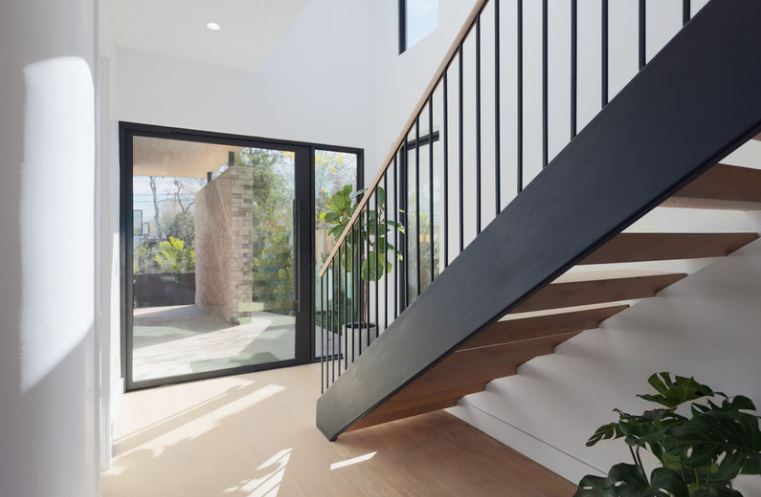
Building a custom home in Austin isn’t like anywhere else in Texas. The city has unique building codes, soil challenges, and a design culture that blends modern style with Texas charm. When you’re looking at Austin custom home building, you’re not just picking a house plan. You’re creating a space that fits your lifestyle in a city known for live music, tech innovation, and Hill Country views.
Austin custom home builders need to understand more than just construction. They work with strict environmental regulations, tricky limestone foundations, and zoning rules that change from neighborhood to neighborhood. The right builder makes this process smooth instead of stressful.
This guide walks you through what you need to know. We’ll cover costs, timelines, and how to pick a builder who actually listens. No fluff. Just practical information to help you make smart decisions.
What Is Custom Home Building in Austin?
Custom home building means designing and constructing a house from scratch based on your specific needs. Unlike buying a pre-built home or choosing from limited floor plans, you control every detail. The size of your kitchen. The number of windows. The type of flooring. Everything.
In Austin, this process takes on local flavor. Many homeowners want outdoor living spaces to enjoy the mild winters. Others prioritize energy efficiency because Texas summers get hot. Some focus on open floor plans that work for entertaining.
A custom builder handles the entire project. They manage architects, electricians, plumbers, and inspectors. They pull permits and deal with the city. You make the design choices. They handle the execution.
Understanding the Austin Building Landscape
Austin has specific challenges that builders must navigate. The soil contains expansive clay that shifts with moisture changes. This means foundations need special engineering. Most custom homes here use post-tension slab foundations to handle ground movement.
The city also has strict tree preservation ordinances. If you have heritage trees on your lot, you can’t just remove them. Builders must work around protected trees or get special permits. This affects home placement and design.
Water quality protection rules add another layer. If you’re building near Barton Springs or Lake Travis, environmental regulations control what materials you can use and how you manage runoff.
Good Austin custom home builders know these rules inside and out. They anticipate problems before they happen. That saves you time and money.
How Much Does Custom Home Building Cost in Austin?
Let’s talk numbers. Custom home building in Austin typically costs between $200 and $400 per square foot. A 2,500 square foot home might run $500,000 to $1,000,000 depending on finishes and location.
Location matters a lot. Building in West Lake Hills or Tarrytown costs more than building in Pflugerville or Leander. Downtown lots command premium prices. Hill Country lots might need well drilling and septic systems.
Your finish choices make a huge difference. Standard builder-grade materials keep costs lower. High-end appliances, custom cabinets, and imported tile push the budget up fast.
Site preparation adds to costs. If your lot has steep slopes or needs significant tree removal, expect higher expenses. Flat lots with good access save money.
Most builders require a deposit upfront, then progress payments tied to construction milestones. Plan for 10-15% contingency in your budget for unexpected issues. Something always comes up.
Timeline: How Long Does It Really Take?
From lot purchase to move-in day, expect 12 to 18 months for most Austin custom homes. Here’s how that breaks down.
Design and permitting take three to six months. You work with architects to finalize plans. Then plans go to the city for review. Austin’s permitting process can be slow, especially for complex projects.
Site preparation and foundation work take four to six weeks. Crews clear land, pour concrete, and let it cure properly.
Framing and rough-ins take two to three months. This is when the house really takes shape. Plumbers and electricians install pipes and wires before walls go up.
Finishing work takes another two to three months. Drywall, painting, flooring, and trim work happen here. Kitchen and bathroom installation comes last.
Weather delays construction. Summer heat slows concrete work. Winter rain stops framing. Good builders build buffer time into schedules.
Choosing the Right Austin Custom Home Builder
Not all builders are equal. Some specialize in modern designs. Others focus on traditional styles. Some work only in specific price ranges.
Start by checking licenses and insurance. Texas requires builders to register with the Texas Residential Construction Commission. Verify this before signing anything.
Ask for references from recent clients. Call them. Visit their homes if possible. Ask about communication, quality, and how the builder handled problems.
Review the builder’s portfolio. Do their past projects match your vision? Can they work in your budget range? Do they build in your preferred area?
Bryan Murphy at BLDR brings over a decade of experience to Austin custom home building. The company focuses on quality craftsmanship and transparent communication throughout the building process. They work primarily in the greater Austin area, handling projects from design consultation through final walkthrough.
Check how the builder handles contracts. Everything should be in writing. Payment schedules, change order processes, warranty terms. No handshake agreements.
Ask about subcontractors. Who does electrical work? Plumbing? Foundation? Experienced builders use reliable subs they’ve worked with for years.
The Design Process: From Vision to Blueprint
Good design starts with understanding how you live. Do you cook a lot? You need a functional kitchen with good workflow. Do you work from home? A dedicated office space matters.
Most custom builders work with architects or have in-house designers. You’ll meet multiple times to refine plans. Expect to go through three to five revisions before finalizing.
Think about future needs. Are you planning to have kids? Will aging parents move in someday? Good design anticipates life changes.
Austin’s climate should influence your design. Large south-facing windows increase cooling costs. Covered porches extend living space. Good insulation pays for itself quickly.
Bryan Murphy at BLDR works closely with clients during the design phase to ensure plans match both lifestyle needs and budget constraints. Their team helps navigate the balance between dream features and practical realities.
Consider resale value even if you plan to stay forever. Life changes. Ultra-custom features might limit your buyer pool later. Most builders can advise on this balance.
Permits and Regulations in Austin
Austin’s permitting process intimidates many homeowners. Your builder should handle this, but understanding basics helps.
Residential permits require approved plans, engineering reports, and various surveys. The city reviews plans for code compliance. This takes weeks or months depending on project complexity.
Some neighborhoods have homeowner association rules on top of city codes. These might restrict paint colors, roof materials, or fence heights. Check HOA requirements before designing.
Tree surveys document all trees over a certain size. Protected trees can’t be removed without permits. Some properties have conservation easements that limit building locations.
Your builder submits all paperwork and coordinates inspections. The city inspects at multiple stages: foundation, framing, mechanical, final. Each must pass before work continues.
Patience helps here. Fighting the permit process wastes energy. Good builders know which battles to fight and which rules you must follow.
What Sets Great Builders Apart
Great builders communicate constantly. You should never wonder what’s happening on your job site. Weekly updates should be standard.
They stand behind their work. Most offer one-year warranties on workmanship. Some extend warranties on specific systems. Get warranty terms in writing.
Quality control matters. Great builders inspect work at each stage. They catch problems early when fixes are easy and cheap.
Problem-solving separates good builders from great ones. Issues happen on every project. Great builders find solutions quickly without drama.
Bryan Murphy at BLDR emphasizes hands-on project management and direct client communication throughout the construction process. You can learn more about their approach and view past projects at https://bryanmurphybuilder.com/.
Budget management shows builder competence. Costs should align with estimates. Change orders should be clearly explained and priced fairly before work happens.
Common Mistakes to Avoid
Don’t choose a builder based on lowest bid. Cheap builders cut corners. Those corners cause expensive problems later.
Don’t skip the detailed contract. Everything matters: payment schedule, change order process, timeline expectations, warranty coverage. Read everything before signing.
Don’t make constant design changes during construction. Every change costs money and time. Make decisions during design phase.
Don’t ignore your gut. If something feels wrong with a builder, find someone else. You’ll work together for a year. Trust matters.
Don’t forget about landscaping and outdoor spaces in your budget. Many homeowners spend everything on the house and have nothing left for yards.
Don’t skip the final walkthrough. Inspect everything carefully. Make a punch list. Good builders fix items promptly.
The Verdict: Is Custom Building Right for You?
Custom home building in Austin offers incredible benefits. You get exactly what you want where you want it. No compromises on layout or finishes.
But it requires patience and involvement. You’ll make hundreds of decisions. You’ll deal with delays and occasional frustrations. You’ll watch your budget closely.
The right builder makes this journey rewarding instead of stressful. They guide you through choices. They communicate honestly. They build a home that fits your life perfectly.
For those with clear vision and realistic budgets, custom building beats buying existing homes. You create something unique. You avoid renovation costs on outdated features. You choose your lot and neighborhood carefully.
Austin’s strong housing market means custom homes typically hold value well. You’re building equity in a growing city with good job markets and quality of life.
Take time choosing your builder. Visit job sites. Talk to past clients. Review contracts carefully. The builder relationship matters as much as the house itself.
Custom home building isn’t for everyone. But for those ready to invest time and money into creating their perfect space, Austin offers amazing opportunities to build something truly special.