
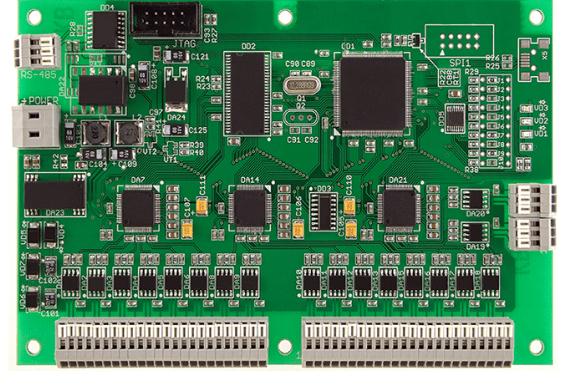
If you’ve ever worked with printed circuit boards (PCBs), you know how crucial lead times are. As someone who’s been in the electronics manufacturing space for years, I’ve learned that understanding PCB lead times isn’t as straightforward as it seems. Whether you’re an engineer, project manager, or purchasing agent, you might feel at the mercy of your PCB supplier when it comes to delivery dates. But here’s the thing—your PCB supplier isn’t always telling you the full story about lead times. I’m here to shed some light on what’s really going on behind the scenes, so you can better plan your projects and avoid costly surprises.

Lead Times Are More Complex Than You Think
Most printed circuit board suppliers quote a lead time as a simple number—“10 days,” “15 days,” or “30 days.” On the surface, this looks clear and straightforward. But in reality, lead times are influenced by many factors, many of which your PCB supplier might not highlight upfront.
For example, the complexity of your PCB design plays a massive role. A single-layer board with a standard FR4 substrate might be ready quickly, but if you’re ordering a multilayer, high-frequency board with controlled impedance, blind vias, or exotic materials, the manufacturing process becomes more complicated. This complexity directly impacts lead times, often adding days or even weeks.
What many PCB suppliers don’t tell you is that standard quoted lead times typically apply only to simple, off-the-shelf boards that fit into their normal production flow. If your order deviates from this standard—custom materials, tight tolerances, unusual finishes—you’re looking at extended lead times.
The Impact of Capacity and Demand Fluctuations
Here’s something many don’t realize: PCB manufacturers run factories that face fluctuating demand cycles. During peak seasons, like the end of a calendar quarter or when new consumer electronics products launch, the volume of PCB orders can skyrocket. Factories might already be booked out weeks or months in advance, pushing your order down the queue.
Printed circuit board suppliers rarely share detailed visibility into their factory capacity or current production schedules. So when they give you a lead time, it’s often optimistic—based on “ideal” conditions rather than current reality. This means you might receive your boards much later than expected if demand surges unexpectedly.
At Pcb-Togo Electronic, Inc., we emphasize transparency about our capacity and encourage customers to place orders early. But many PCB suppliers in the industry hold back these details to keep bids competitive or avoid alarming customers.
Why Expedite Fees Exist—and Why They Don’t Always Guarantee Faster Delivery
If your project timeline suddenly compresses, you might ask your PCB supplier to expedite your PCB order. Most suppliers will offer “rush” options with premium fees. But here’s a secret: paying extra to expedite doesn’t always speed up production as much as you’d hope.
Why? Because your PCB supplier’s factory schedule is a complex machine. Even if you pay for expedited service, the processes—like material sourcing, fabrication, testing, and quality assurance—still take their necessary time. Materials might need to be ordered, or specialized steps like impedance testing cannot be rushed without risking defects.
What expedite fees really do is bump your order priority slightly, but if the factory is overwhelmed, even expedited orders can get delayed. So it’s better to avoid relying on expedited services unless absolutely necessary.
Material Sourcing and Its Hidden Influence on Lead Times
One factor rarely discussed is how the availability of raw materials affects lead times. PCBs require specific copper-clad laminates, solder masks, and surface finishes, many of which come from specialized suppliers.
Global supply chain disruptions, shipping delays, or shortages of certain laminates can stall PCB production. Your printed circuit board supplier may not openly disclose these issues because it reflects poorly on their reliability. But these disruptions can add several days or weeks to your delivery schedule.
If your design uses exotic or less common materials, expect longer lead times. Pcb-Togo Electronic, Inc. works closely with trusted material vendors to maintain stock and minimize such delays, but it’s a challenge faced industry-wide.
Testing, Quality Control, and Rework: The Invisible Time Sink
Manufacturing PCBs isn’t just about assembling layers—it’s about ensuring every board meets stringent quality standards. Testing methods like flying probe tests, electrical continuity checks, and automated optical inspections are vital.
Sometimes, boards fail these tests and need rework or even full remanufacture. These quality control cycles add time but are necessary to avoid delivering faulty products.
PCB suppliers often quote lead times based on the “happy path,” assuming no rework is needed. In reality, up to 5-10% of boards might require additional processing, especially for complex designs. This hidden risk means you should plan buffer time in your schedules.
Communication Gaps and How They Affect Your Lead Time Expectations
Another big factor is communication—or the lack thereof. PCB suppliers sometimes provide generic updates or vague timelines without explaining the reasons behind delays. This lack of transparency leaves customers frustrated and guessing.
In my experience working with multiple printed circuit board supplier, those who provide detailed status updates—explaining where the order is in production, highlighting material delays, or flagging potential quality issues—help customers manage expectations better.
At Pcb-Togo Electronic, Inc., we prioritize proactive communication, giving our customers a real-time window into their orders. If there’s a delay, we tell you why and what we’re doing to fix it. This honesty helps avoid surprises and builds trust.
How You Can Mitigate Lead Time Risks
So now that you know what your PCB supplier isn’t telling you, what can you do about it?
- Plan Ahead: The best way to avoid lead time headaches is to plan your PCB orders well in advance. Don’t wait until the last minute or project deadlines loom.
- Ask Specific Questions: Instead of accepting generic lead times, ask your printed circuit board supplier about their current capacity, material availability, and any known bottlenecks.
- Choose Experienced Suppliers: Work with suppliers like Pcb-Togo Electronic, Inc., who emphasize transparency, quality control, and have solid relationships with material vendors.
- Design for Manufacturability: Simplify your PCB designs where possible. Avoid exotic materials or overly complex layers if lead times are critical.
- Request Detailed Status Updates: Insist on regular progress reports from your PCB supplier. This keeps you informed and helps you manage downstream activities like assembly and testing.
In Conclusion
Lead times in the PCB industry are complicated, influenced by factors that PCB suppliers don’t always share openly. Understanding these hidden truths—from capacity issues and material sourcing to testing delays—can save you time, money, and frustration.
If you want a partner who’s upfront about lead times and committed to keeping your projects on track, consider reaching out to Pcb-Togo Electronic, Inc. We pride ourselves on transparent communication, reliable delivery, and quality PCBs that meet your needs.
Contact us today to discuss your next project and experience firsthand what professional, honest printed circuit board manufacturing looks like. Don’t hesitate to contact us with your questions—we’re here to help!