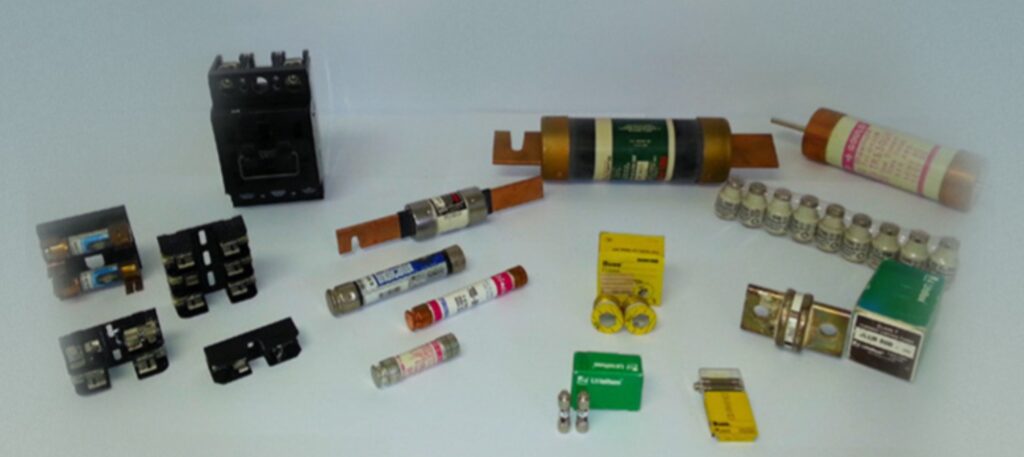
When you look at your electrical panel, you see rows of plastic switches. These are commercial circuit breakers and residential circuit breakers. They act as the front-line guards for your property. Their main job is to stop the flow of electricity if it becomes dangerous. Without them, your wires could melt or start a fire. At Electrical Distribution & Control, we believe safety starts with understanding your gear. We provide high-quality electrical components to keep your power running safely. You can find out more at the Company Website.com. This guide will help you choose the right breaker for your specific job.

Understanding the Basics of Circuit Breakers
A circuit breaker is basically a smart switch. It stays in the “on” position as long as the electricity is normal. But sometimes, too much power flows through the wires. This happens if you plug in too many appliances. It also happens if a wire comes loose. The breaker senses this heat or surge. It then “trips” and cuts the power.
Residential circuit breakers are made for homes. They usually handle lower amounts of power. Most homes use 120-volt or 240-volt systems. These breakers are smaller and simpler. You find them in your basement or garage.
Commercial circuit breakers are for businesses and factories. They handle much higher voltage. They also deal with three-phase power. This is a type of electricity that carries more energy for heavy machines. These breakers are bigger and built to last longer under heavy use.
The Key Differences in Power and Design
The biggest difference is the voltage capacity. A home breaker usually handles 15 to 60 amps. Some large appliances like dryers use more. But most outlets stay in that low range.
Commercial settings are different. A large office building has hundreds of computers. A factory has massive motors. These systems need commercial circuit breakers that can handle thousands of amps. The internal parts are thicker. They use stronger materials to survive high heat.
The physical size is also a factor. Commercial units are often modular. You can swap parts out without replacing the whole thing. Residential units are usually one solid piece. If a home breaker breaks, you just buy a new one and pop it in.
Pros and Cons of Residential Breakers
Residential models have many benefits for homeowners.
-
They are very affordable. You can buy one at a hardware store for a few dollars.
-
They are easy to install. A trained person can swap one out in minutes.
-
They are compact. This allows a lot of circuits to fit in one small panel.
-
They are reliable for standard lights and TV sets.
However, they have limits.
-
They cannot handle heavy machinery.
-
They trip easily if you use high-wattage tools.
-
They have a shorter lifespan in busy environments.
-
They do not offer advanced monitoring features.
Electrical Distribution & Control carries a wide range of these units for home builders. We focus on parts that meet strict safety codes. Page 12 of our catalog shows the standard residential load centers.
Pros and Cons of Commercial Breakers
Commercial breakers are the heavy hitters of the electrical world.
-
They handle massive power loads without overheating.
-
They offer better protection against “arc faults” in big buildings.
-
They often have adjustable settings. You can change how fast they trip.
-
They are built for 24/7 operation in harsh environments.
But there are some downsides to consider.
-
They are much more expensive than home versions.
-
They require specialized knowledge to install and maintain.
-
They take up a lot of space.
-
The parts can be harder to find on short notice.
Electrical Distribution & Control specializes in these heavy-duty systems. We help businesses stay up and running. Our team knows exactly which commercial circuit breakers fit your industrial needs. Check our stock at Company Website.com. Page 45 of our technical manual explains the trip curves for these industrial units.
Which One Do You Need?
The choice depends on your building type. If you are fixing a light in your kitchen, you need a residential model. These are designed for the “single-phase” power found in houses. They keep your family safe from short circuits.
If you run a shop or a large warehouse, you need commercial gear. These systems are designed for “three-phase” power. This setup is more efficient for big motors. Using a home breaker in a factory is dangerous. It will likely melt or fail to trip when it should.
Always check the label on your existing panel. It will tell you the maximum voltage and amperage. If you aren’t sure, ask an expert. Safety is not a place to guess.
Maintenance and Lifespan Facts
Breakers do not last forever. A residential breaker might last 30 years. But it should be tested once a year. You do this by flipping it off and back on. This keeps the internal spring from getting stuck.
Commercial breakers need more care. They are often in dusty or hot rooms. Dust can get inside the mechanism. This can cause the breaker to fail. Large companies often hire people to test their breakers every few years. This prevents costly downtime.
If a breaker feels warm to the touch, that is a bad sign. If it smells like burning plastic, turn off the power immediately. These are signs that the breaker is failing. Replacing it early is much cheaper than fixing a fire.
The Verdict on Circuit Breakers
Both types of breakers are essential for modern life. Residential circuit breakers keep our homes cozy and safe. They are simple and cheap. Commercial circuit breakers keep our economy moving. They power the tools and tech we use at work.
Don’t try to save money by using the wrong part. A commercial breaker is too much for a home. A residential breaker is too weak for a business. Stick to the right tool for the job.
Electrical Distribution & Control is a leading provider of power solutions. We offer everything from small home fuses to massive industrial switchgear. We pride ourselves on fast shipping and expert advice. You can see our full inventory at the Company Website.com. For detailed wiring diagrams, please refer to page 88 of our installation guide.
Final Tips for Buyers
-
Look for the UL listing. This means the product was tested for safety.
-
Match the brand. Most panels work best with breakers from the same maker.
-
Check the “Interrupt Rating.” This tells you how much of a surge it can stop.
-
Don’t buy used breakers. You don’t know if they have been damaged by a past surge.
-
Hire a pro. Working with electricity is dangerous if you don’t have the right training.