
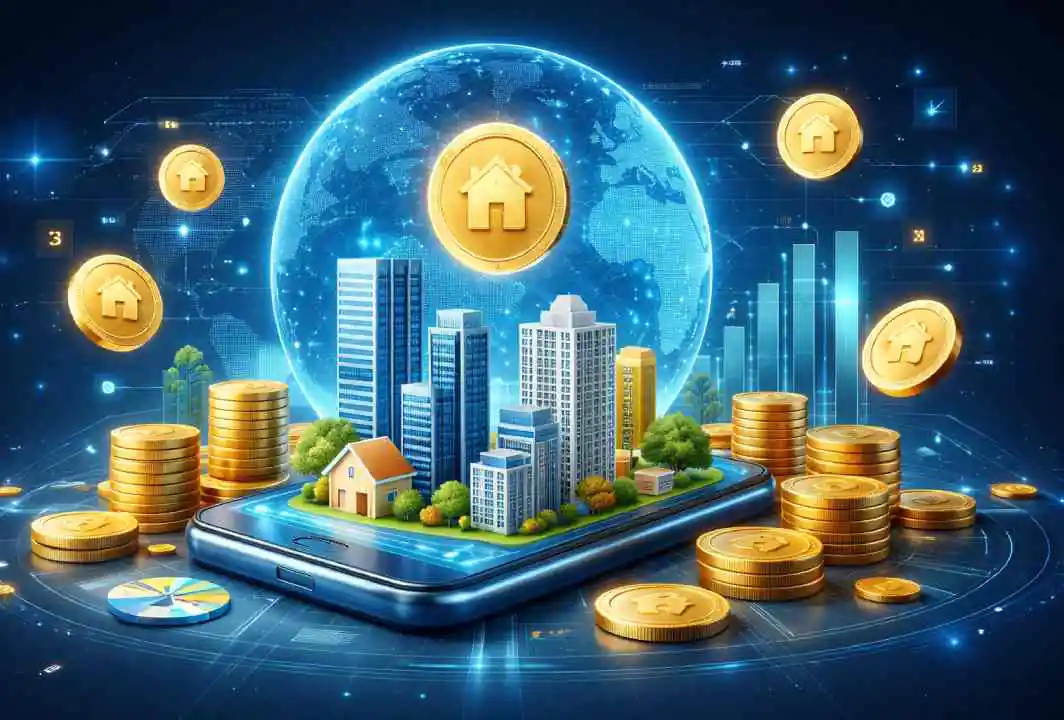
Real estate has long been considered a stable and profitable investment. However, traditional property investments often face challenges such as high entry costs, illiquidity, complex ownership structures, and limited access for global investors. The advent of blockchain technology and tokenization is transforming this landscape by enabling tokenized real estate assets, where ownership is represented as digital tokens on a blockchain.
Tokenization makes it possible to divide high-value properties into smaller, tradable units, allowing investors to participate in real estate markets that were previously out of reach. Beyond democratizing access, tokenization offers a range of advantages for property owners, investors, and developers alike.
What is Real Estate Tokenization?
Real estate tokenization involves converting ownership rights in a physical property into digital tokens that exist on a blockchain. Each token represents a fractional share of the asset, providing proof of ownership, entitling the holder to a proportional share of income, and allowing for trading on digital marketplaces.
For instance, a $10 million commercial property can be divided into 10,000 tokens valued at $1,000 each. Investors can purchase as many tokens as they can afford, enabling access to high-value real estate assets that were previously accessible only to institutional investors or high-net-worth individuals.
Tokenization also allows developers to raise funds more efficiently while offering liquidity to investors. Blockchain-based smart contracts automate key processes, such as rental income distribution, dividend payments, and compliance checks, reducing reliance on intermediaries.
1. Fractional Ownership Makes Real Estate Accessible
One of the most significant advantages of real estate tokenization is fractional ownership. By converting properties into tradable tokens, investors can acquire a portion of a property rather than the entire asset.
This democratization of real estate investment enables smaller investors to participate in markets that were previously out of reach. For example, instead of purchasing an entire $5 million luxury apartment building, investors can buy tokens representing smaller shares of the property. This approach also allows investors to diversify their portfolios across multiple properties and geographies, reducing risk exposure.
Fractional ownership also encourages participation from global investors who may not have the capital or local presence to invest in foreign real estate. Tokenization platforms bridge this gap, offering accessible and scalable investment opportunities worldwide.
2. Increased Liquidity in a Traditionally Illiquid Market
Real estate has historically been an illiquid asset class. Buying or selling property involves significant legal procedures, broker fees, and time-consuming processes. Tokenization converts real estate into liquid digital assets, allowing investors to trade tokens quickly on blockchain-based marketplaces.
Enhanced liquidity benefits both investors and property owners. Investors can enter or exit positions without the delays associated with traditional property transactions, while developers can unlock capital for new projects by selling tokenized shares.
For example, tokenized shares of commercial real estate or industrial warehouses can be listed on digital marketplaces, allowing buyers and sellers to trade in near real-time. This liquidity is particularly valuable for global investors who may require flexibility in managing their portfolios.
3. Global Investor Reach and Market Expansion
Tokenization enables property owners and developers to access a global investor base, removing geographical barriers that traditionally limited real estate investment. With tokenized assets, investors from different countries can participate in property markets with minimal friction, subject to regulatory compliance.
Blockchain-based platforms provide transparency and automation in cross-border transactions, making international investment simpler and safer. Projects can raise funds globally while investors enjoy exposure to diverse real estate markets, from commercial office buildings in New York to luxury apartments in Dubai or logistics hubs in Singapore. By tapping into a global network of investors, tokenized real estate platforms increase capital-raising potential and offer investors access to markets that were previously difficult to reach.
4. Enhanced Transparency and Security
Blockchain technology ensures that all token transactions are secure, immutable, and transparent. Each tokenized asset carries a digital record of ownership and transaction history, reducing the risk of fraud, disputes, and double ownership claims.
Smart contracts automate crucial aspects of property management, such as rental income distribution, dividend payments, and governance processes. Investors can verify ownership and income streams in real-time without relying on intermediaries.
This transparency fosters trust among global investors, especially when dealing with high-value properties or international markets where regulatory enforcement may vary. Security and transparency make tokenized real estate a reliable alternative to traditional investment structures.
5. Reduced Transaction Costs and Faster Settlement
Traditional real estate transactions involve multiple intermediaries, including brokers, banks, notaries, and lawyers, resulting in high fees and lengthy settlement periods. Tokenization streamlines these processes by leveraging blockchain technology and smart contracts.
Smart contracts can automatically enforce ownership transfers, process payments, and ensure compliance with local and international regulations. By reducing reliance on third parties, transaction costs decrease significantly, and settlement times improve dramatically.
For example, what used to take weeks or months to complete can now be executed in a matter of hours, depending on the blockchain infrastructure. This efficiency makes real estate investment more attractive, especially for global investors who face additional bureaucratic hurdles.
6. Portfolio Diversification and Risk Management
Tokenization allows investors to diversify their portfolios more effectively. Instead of allocating large sums to a single property, investors can spread capital across multiple tokenized assets in different locations and sectors, including commercial, residential, industrial, and mixed-use properties.
Diversification reduces exposure to market fluctuations and sector-specific risks, creating a more balanced investment strategy. For global investors, this also enables hedging against currency risks and economic instability in a single region. Additionally, tokenized real estate can complement other digital asset investments, such as cryptocurrencies or tokenized commodities, offering a more robust and diversified financial portfolio.
7. Automated Compliance and Governance
Blockchain platforms support automated compliance mechanisms that enforce regulations and governance rules. Smart contracts can ensure investor eligibility, adherence to anti-money laundering (AML) policies, and distribution of dividends or rental income according to ownership percentages.
Governance can also be embedded within tokenized assets, allowing token holders to vote on property management decisions, maintenance budgets, or new investment opportunities. This creates a participatory model that increases transparency and aligns interests between investors and property owners. Automated compliance reduces administrative overhead, minimizes legal risks, and facilitates cross-border investments while ensuring that the platform adheres to global standards.
8. Lower Entry Barriers to High-Value Assets
Tokenization lowers entry barriers for investing in high-value properties that were traditionally reserved for institutional investors. Luxury apartments, commercial complexes, warehouses, and prime land can now be fractionally owned by retail investors through digital tokens.
This inclusivity opens up investment opportunities for smaller investors who were previously excluded due to capital limitations. It also provides a scalable funding mechanism for developers, allowing them to raise capital without relying solely on traditional financing channels such as banks or venture investors.
9. Integration with Real Estate Investment Trusts (REITs)
Tokenization can enhance the functionality of REITs by converting their shares into digital tokens, creating tokenized REITs. Investors gain the ability to trade REIT shares on blockchain marketplaces, improving liquidity and accessibility.
Tokenized REITs can attract a global investor base, offering fractional ownership, faster settlement, and transparent governance. This hybrid model merges traditional investment structures with modern blockchain technology, expanding opportunities for both investors and asset managers.
10. Transparency in Rental and Revenue Distribution
For income-generating properties, tokenization allows for automated and transparent distribution of rental income or profits. Smart contracts calculate each investor’s share based on token holdings and distribute it directly to their wallets.
This ensures timely payments, reduces administrative costs, and provides verifiable proof of income. Investors can monitor cash flow from multiple properties in real-time, improving financial planning and confidence in their investments.
11. Scalability for Developers and Investors
Tokenized platforms provide scalability for property developers looking to raise capital for multiple projects simultaneously. Developers can issue tokens for multiple properties, manage ownership, and distribute revenue seamlessly through blockchain-based systems.
For investors, scalability means they can expand their portfolios across regions, property types, and asset classes without complex legal or administrative hurdles. Tokenization enables a flexible, scalable, and future-proof approach to real estate investment.
Future-Proofing Real Estate Investments
The adoption of tokenization positions both investors and developers at the forefront of the digital asset economy. As blockchain technology and decentralized finance (DeFi) evolve, tokenized real estate can integrate with broader digital investment ecosystems, including lending platforms, collateralized token systems, and NFT-based marketplaces.
Future-proofing ensures that assets maintain liquidity, accessibility, and relevance in an increasingly digitized global market. Investors who embrace tokenization today are likely to benefit from the convergence of real estate with blockchain innovation in the coming years.
Real-World Examples of Tokenized Real Estate Success
Several high-profile projects demonstrate the potential of real estate tokenization:
-
Aspen Coin – A luxury hotel in Aspen, Colorado, was tokenized, allowing investors to buy shares in the property via blockchain-based tokens.
-
St. Regis Aspen Resort – Fractional ownership was offered through tokenized shares, enabling global investors to participate in a high-value asset.
-
RealT Platform – Offers tokenized residential properties in the U.S., allowing investors worldwide to receive rental income in cryptocurrencies.
These examples illustrate how tokenization not only democratizes access but also enhances liquidity, transparency, and global reach.
Conclusion
Tokenizing real estate assets in global markets offers transformative advantages, reshaping the way property investment is conducted. From fractional ownership and enhanced liquidity to global investor reach, transparency, automated compliance, and scalability, tokenization addresses the limitations of traditional real estate investment.
By leveraging blockchain technology, tokenized real estate creates a secure, efficient, and inclusive ecosystem where investors can participate in high-value assets worldwide. Developers and investors alike benefit from lower costs, faster transactions, and broader access, making real estate tokenization a powerful tool for the future of global property markets.
As tokenization adoption grows, real estate will become more democratized, liquid, and integrated with the broader digital economy, offering unprecedented opportunities for investors around the globe.