
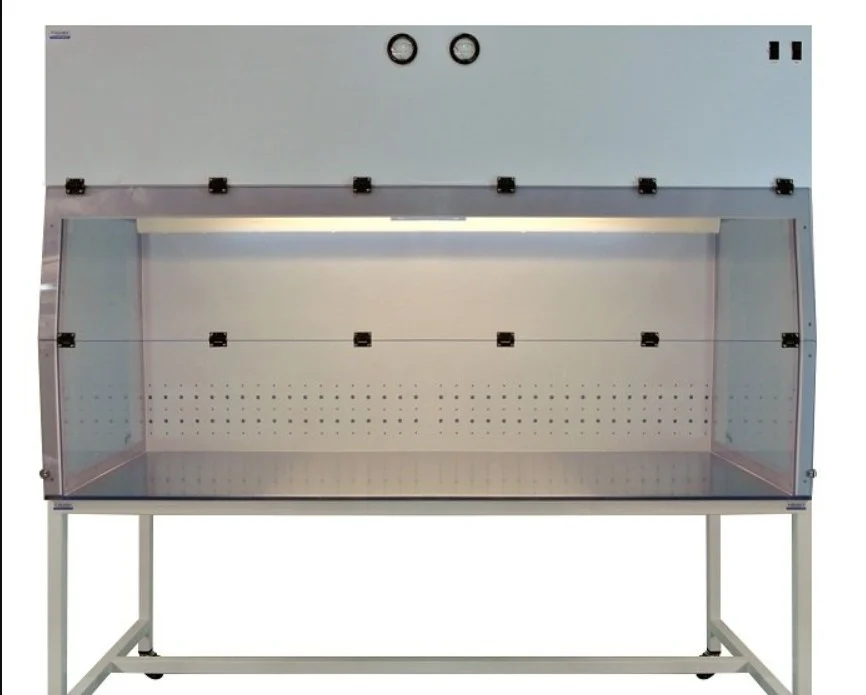
A benchtop laminar flow hood plays a critical role in maintaining a clean and contamination-free workspace in laboratories, pharmaceutical facilities, electronics manufacturing, and research environments. When you rely on this equipment daily, consistent performance becomes essential for protecting sensitive materials, improving workflow efficiency, and meeting cleanliness standards.
However, even the best laminar flow hood can lose efficiency if you neglect regular maintenance. Dust buildup, clogged filters, improper airflow, and poor cleaning habits can reduce protection levels and shorten the lifespan of your equipment. By following proper maintenance practices, you can keep your hood operating at peak performance while avoiding costly repairs and downtime.
Understand How a Benchtop Laminar Flow Hood Works
Before you maintain your equipment, you should understand its purpose. A high-performance Benchtop Laminar Flow Hood for cleanroom environments creates a controlled workspace by pushing filtered air evenly across the work surface. The HEPA or ULPA filtration system removes airborne particles and helps maintain a sterile environment.
Because airflow consistency is essential, even minor maintenance issues can affect contamination control. That is why routine inspections and cleaning procedures should become part of your regular laboratory operations.
Clean the Work Surface Daily
One of the easiest ways to maintain hood performance is by cleaning the interior work area every day. Contaminants left behind after use can interfere with airflow and increase the risk of cross-contamination.
Use a lint-free cloth and a laboratory-approved cleaning solution to wipe down all interior surfaces. Always clean from the cleanest area toward the dirtiest section to prevent spreading particles.
Avoid using harsh chemicals that may damage stainless steel surfaces or acrylic panels. You should also avoid spraying liquids directly into the airflow area because excess moisture can affect filters and electrical components.
Daily cleaning helps maintain cleanliness standards while extending the life of the hood.
Replace Filters on Schedule
The HEPA or ULPA filter is the heart of your laminar flow hood. Over time, filters become loaded with airborne particles, reducing airflow efficiency and increasing strain on the motor.
You should monitor filter performance regularly and replace filters according to the manufacturer’s recommendations. Signs that a filter may need replacement include:
- Reduced airflow velocity
- Increased noise levels
- Visible dust accumulation
- Warning indicators on monitoring systems
- Failed airflow certification tests
Never attempt to clean HEPA filters manually. These filters are highly sensitive and require proper replacement procedures to maintain performance standards.
Scheduling timely filter replacements prevents contamination risks and keeps your workspace compliant with laboratory requirements.
Monitor Airflow Consistently
Airflow is the most important performance factor in any laminar flow hood. If airflow becomes uneven or weak, contamination control can fail.
You should regularly verify airflow velocity using calibrated monitoring equipment. Many laboratories schedule professional airflow testing every six to twelve months.
Pay attention to any unusual airflow behavior, including:
- Turbulence inside the hood
- Weak airflow near the work surface
- Excessive vibration
- Unusual fan noise
If you notice any of these issues, address them immediately before they affect your research or manufacturing processes.
Keep the Surrounding Area Clean
Your hood performance depends not only on internal cleanliness but also on the surrounding environment. Dusty or cluttered laboratory conditions can introduce contaminants into the airflow system.
To improve hood efficiency:
- Keep nearby surfaces clean
- Minimize cardboard or paper storage near the hood
- Limit unnecessary movement around the workstation
- Reduce traffic in sensitive clean areas
- Maintain proper room air quality
A cleaner laboratory environment reduces strain on filters and helps your hood maintain stable airflow performance.
Avoid Blocking Airflow
Many users unintentionally reduce hood performance by overcrowding the workspace. Large equipment, boxes, or containers placed directly under the airflow can create turbulence and disrupt clean air patterns.
You should organize materials carefully to allow smooth airflow across the entire work surface. Keep taller objects toward the back of the hood and avoid stacking unnecessary items inside the workspace.
Proper arrangement improves contamination control and allows the hood to operate more efficiently.
Perform Routine Equipment Inspections
Regular inspections help you identify minor issues before they become major problems. Create a maintenance checklist that includes:
- Checking airflow indicators
- Inspecting seals and gaskets
- Examining electrical connections
- Monitoring fan performance
- Inspecting lighting components
- Checking vibration levels
Routine inspections reduce unexpected equipment failures and help maintain uninterrupted laboratory operations.
Train Staff on Proper Usage
Even well-maintained equipment can lose efficiency if operators use it incorrectly. Everyone working with the hood should understand proper operating procedures.
Training should include:
- Correct startup and shutdown procedures
- Proper cleaning methods
- Safe material placement
- Airflow protection practices
- Emergency response procedures
Well-trained personnel help maintain consistent performance while reducing contamination risks.
Schedule Professional Certification
Professional certification ensures your hood meets required airflow and filtration standards. Many laboratories schedule annual certification to verify system performance.
Certified technicians typically inspect:
- HEPA filter integrity
- Airflow velocity
- Particle counts
- Pressure levels
- Electrical safety
Routine certification helps you maintain compliance with industry regulations while ensuring reliable operation.
Choose High-Quality Equipment
Maintenance becomes much easier when you start with reliable equipment from a trusted manufacturer. CleaTech LLC offers advanced cleanroom and laboratory solutions designed for durability, performance, and long-term efficiency.
High-quality construction materials, dependable airflow systems, and precision engineering can significantly reduce maintenance issues and operational downtime.
When you invest in dependable equipment, you improve both productivity and contamination control.
Create a Preventive Maintenance Schedule
Preventive maintenance is the best way to maximize the lifespan of your laminar flow hood. Instead of waiting for problems to appear, develop a maintenance calendar that includes:
- Daily cleaning
- Weekly inspections
- Monthly airflow checks
- Scheduled filter replacement
- Annual certification
A structured maintenance routine helps you avoid emergency repairs and keeps your laboratory operating smoothly.
If you need expert guidance for selecting or maintaining cleanroom equipment, Contact us today for professional cleanroom equipment support.
FAQ About Benchtop Laminar Flow Hood Maintenance
How often should you clean a benchtop laminar flow hood?
You should clean the work surface before and after each use. Daily cleaning helps prevent contamination buildup and maintains airflow efficiency.
When should HEPA filters be replaced?
Filter replacement depends on usage levels and operating conditions. Most facilities replace HEPA filters every few years, but airflow testing and pressure monitoring provide the best indicators.
Why is airflow important in a laminar flow hood?
Consistent airflow ensures particles are removed from the workspace effectively. Poor airflow can increase contamination risks and reduce cleanroom protection.
Can improper material placement affect hood performance?
Yes. Blocking airflow with large equipment or clutter can create turbulence and reduce contamination control inside the hood.
Why should you schedule professional certification?
Professional certification verifies airflow performance, filter integrity, and overall system efficiency. It also helps maintain compliance with laboratory cleanliness standards.